Travel to the Himalayas dates back to antiquity
Travel to the Himalayas dates back to antiquity, when traders, pilgrims, and explorers journeyed through these remote valleys in search of passage, faith, and adventure. Today, the Panchachuli Base Camp Trek in Uttarakhand carries forward that legacy, offering trekkers a chance to explore the stunning landscapes of the Johar Valley, once an ancient Indo-Tibetan trade route.
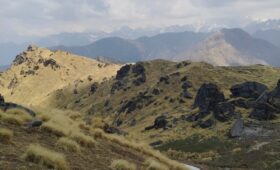
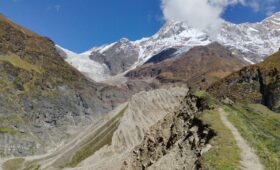
The trek leads to the majestic Panchachuli peaks (6,334–6,904 m), a group of five snow-capped summits that dominate the region. Much like how fashion blogs cover diverse aspects of style—from haute couture to street trends—the Panchachuli trek captures every dimension of Himalayan beauty: glacial streams, thick forests of oak and deodar, remote villages, alpine meadows, and breathtaking mountain vistas.
Some trekkers approach the trail for its spiritual and cultural richness, visiting ancient villages like Sobla, Dar, and Duktu, where the traditions of the Johar valley still thrive. Others are drawn to its adventurous side, trekking along the Dhauliganga River, camping in high-altitude meadows, and standing face-to-face with the towering Panchachuli massif. Just as fashion advice guides readers on style and fit, the trek offers timeless lessons in resilience, simplicity, and harmony with nature.
The Panchachuli Base Camp Trek is not just an adventure; it is a journey through history, culture, and raw Himalayan wilderness—an experience that leaves travelers with both inner peace and unforgettable memories.
Highlights of Panchachuli Base Camp Trek
- Panchachuli Peaks (6,334–6,904 m) – Spectacular views of the five snow-capped Himalayan peaks that dominate the region.
- Johar Valley – A historic Indo-Tibetan trade route, rich in culture and natural beauty.
- Dhauliganga River Trail – Trekking alongside a gushing Himalayan river with stunning valley landscapes.
- Remote Villages – Explore charming hamlets like Sobla, Dar, Sela, Duktu, and Nagling, where traditional Kumaoni life continues untouched.
- Flora & Fauna – Forests of oak, pine, and birch, along with Himalayan birds, wildflowers, and occasional wildlife sightings.
- Meadows & Glaciers – Wide alpine meadows, shepherd pastures, and the snout of the Panchachuli Glacier near base camp.
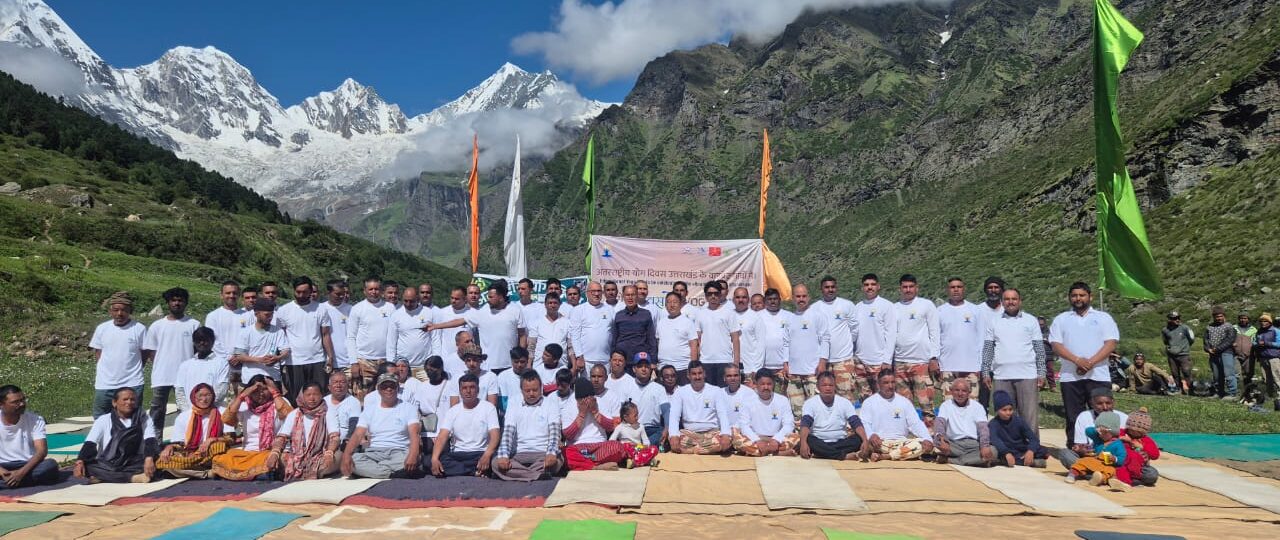
- Camping Experience – Nights under star-lit skies amidst pristine Himalayan surroundings.
- Cultural Immersion – Interact with locals of the Johar valley and learn about their centuries-old customs.
- Moderate Difficulty – A trek suitable for both beginners and experienced trekkers, offering adventure without extreme altitude challenges.
- Best Season – May to June and September to October, with clear skies and pleasant weather.
Panchachuli Base Camp Trek Itinerary (6 Days / 5 Nights)
Day 1: Arrival at Kathgodam – Drive to Dharchula (Approx. 280–290 km / 9–10 hrs, Altitude: 3,600 ft)
Your adventure begins with an early morning arrival at Kathgodam Railway Station. From here, embark on a long but scenic drive through the charming landscapes of Kumaon. The route passes through Bhimtal, Almora, Dhaulchina, Sera-gat, Chaukhori, Thal, and Ashkot.
The journey is filled with spectacular views—dense pine forests, cascading waterfalls, deep river gorges, and traditional villages perched on hill slopes. With every turn, the lofty Himalayan ranges reveal themselves in all their grandeur. By evening, arrive at Dharchula, a quaint border town on the banks of the Kali River, sharing its culture with Nepal.
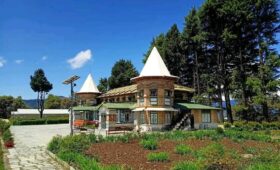
Check in at your guest house/hotel and relax after the day-long journey.
Day 2: Dharchula – Drive to Dar – Trek to Duktu Village (Altitude: 10,200 ft | 4–5 hrs drive + 4–5 hrs trek)
After breakfast, begin your drive towards Dar, the roadhead for the trek. The route follows the Kali River valley, crossing small tribal settlements such as Tawaghat and New Sobla. These villages reflect the rustic charm of the region with wooden houses, terraced fields, and traditional lifestyles.
From Dar, start your trek towards Duktu village, nestled in the picturesque Johar Valley. The trail winds through pine and oak forests, small streams, and terraced farmlands. By late afternoon, reach Duktu, a beautiful meadow village that offers mesmerizing views of the Panchachuli peaks.
Day 3: Duktu Village – Trek to Panchachuli Base Camp (Altitude: 14,200 ft | 3–4 hrs trek)
Today’s trek is the highlight of the journey. The trail from Duktu leads through the lush Dantu meadows, with one side flanked by green pastures and the other lined with birch and juniper forests. Gradually, the scenery changes as you approach the snout of the Panchachuli Glacier.
Finally, reach Panchachuli Base Camp, located at the foot of the magnificent Panchachuli Massif (6,904 m / 22,652 ft). The five towering snow-clad peaks rise dramatically against the sky, creating one of the most breathtaking Himalayan views.
Day 4: Rest & Exploration Day at Panchachuli Base Camp
Wake up to the surreal sight of the golden sun rising over the snow peaks. This day is reserved for acclimatization and exploration around the base camp. Stroll along trails lined with wildflowers, wild strawberries, and alpine shrubs, with panoramic views of glaciers and valleys.
You can trek around the meadows dotted with oak and birch trees, enjoy photography, or simply sit in silence absorbing the divine beauty of the Himalayas.
Day 5: Panchachuli Base Camp – Trek Back to Duktu – Drive to Dharchula (2–3 hrs trek + 2–3 hrs drive)
After breakfast, begin your descent from Base Camp to Duktu village, retracing your steps along the scenic route. From Duktu, drive back to Dharchula, enjoying the last glimpses of the Johar Valley. By evening, settle into your hotel and celebrate the completion of this incredible trek with a hearty dinner.
Day 6: Dharchula – Drive to Kathgodam (Approx. 280–290 km / 8–9 hrs)
After an early breakfast, bid farewell to the mountains. Drive back to Kathgodam, passing through the lush valleys, forests, and charming towns of Chaukori and Almora. Arrive at Kathgodam by evening, where the trek concludes with unforgettable memories of the majestic Panchachuli peaks and the serene Johar Valley.