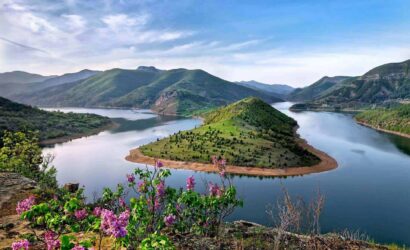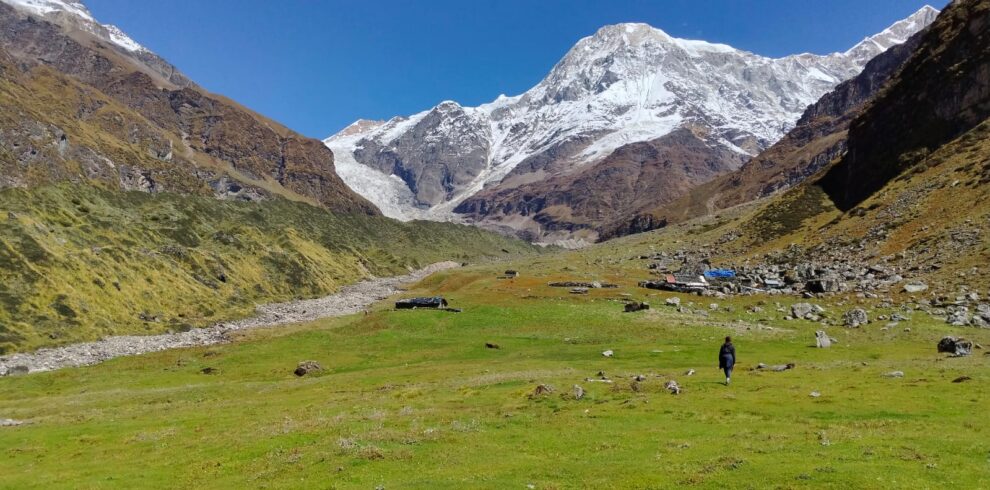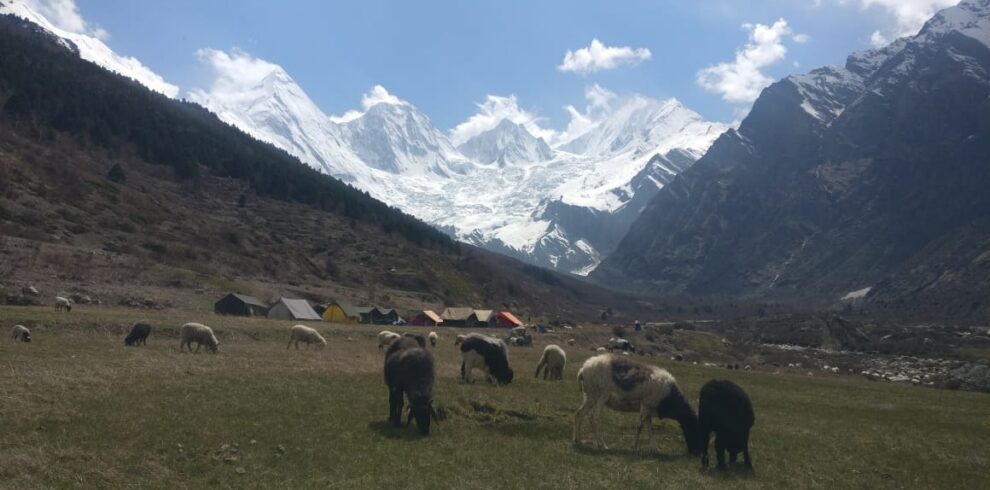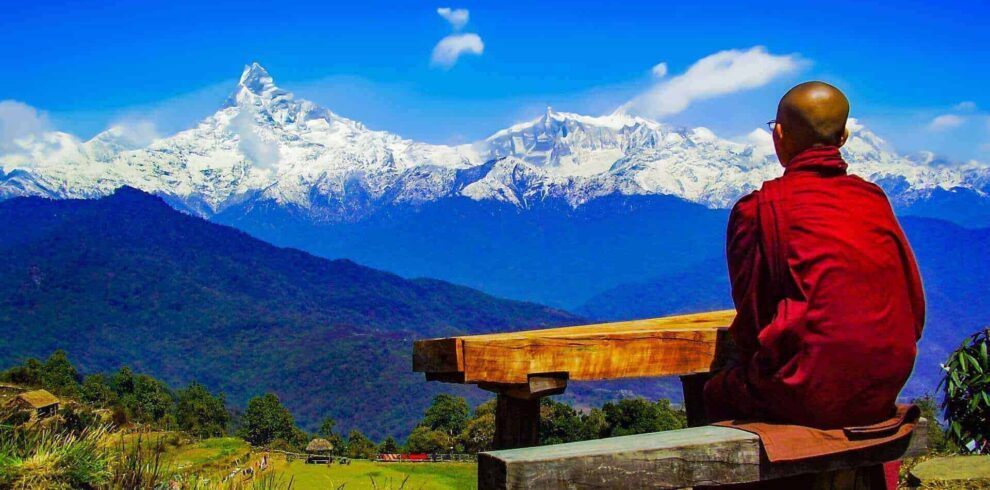
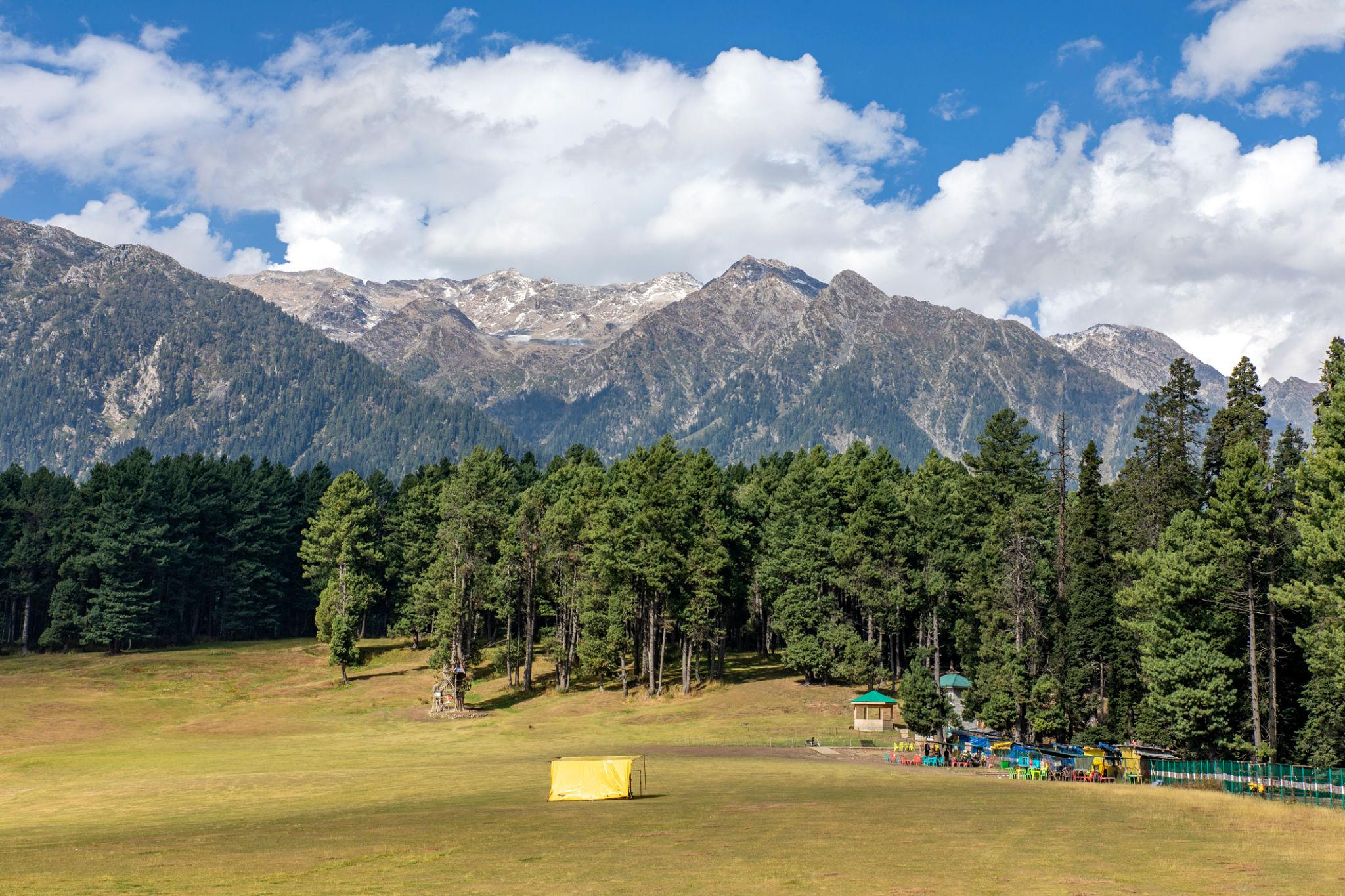
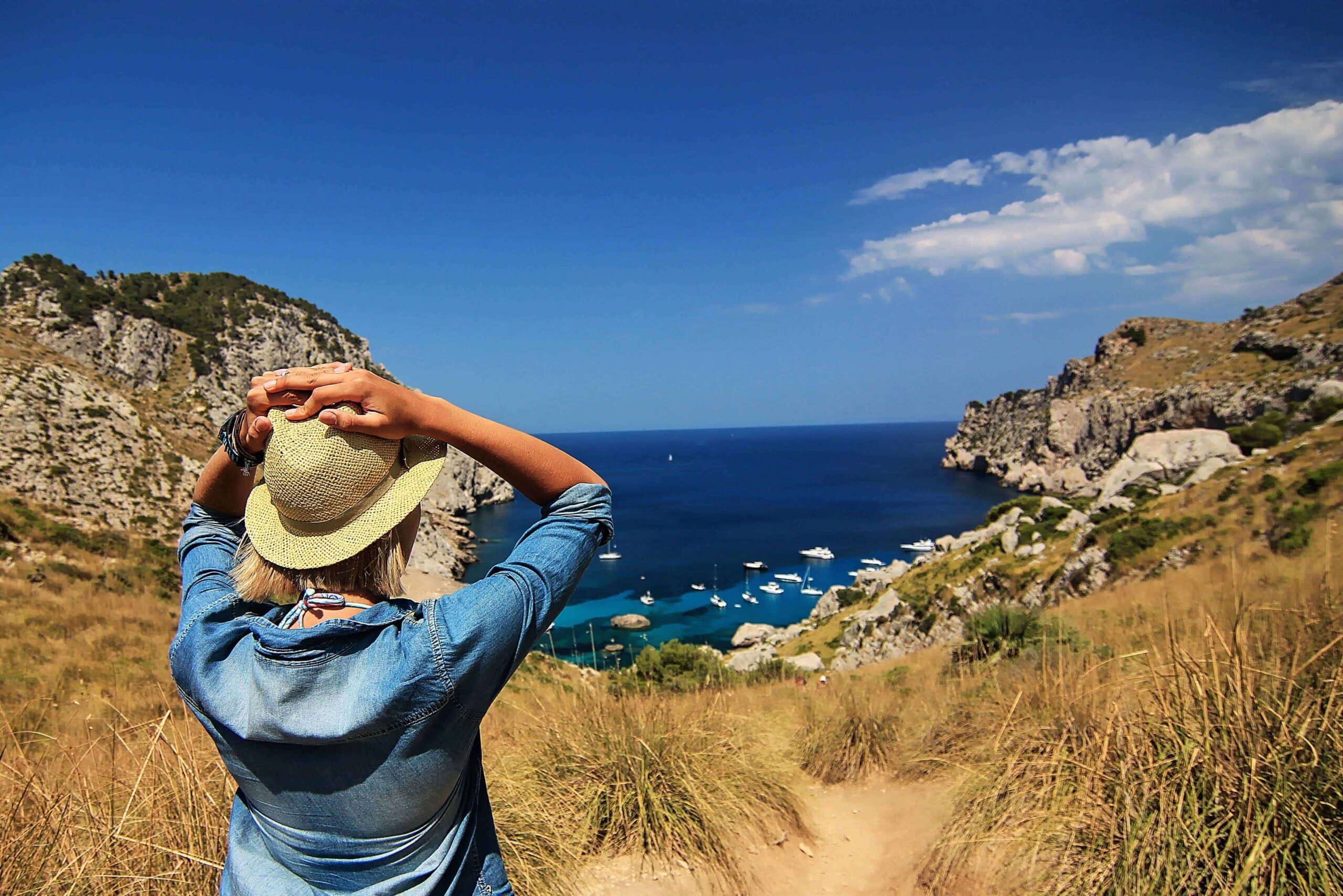
Srinagar and Pahalgam Tour is one of the most beautiful travel experiences in Kashmir, offering breathtaking Himalayan landscapes, peaceful valleys, rivers, gardens, and rich cultural heritage. The journey takes travelers through scenic mountain roads, lush meadows, pine forests, and traditional Kashmiri villages, making it a perfect destination for nature lovers and family vacations.
Srinagar, the summer capital of Jammu and Kashmir, is famous for Dal Lake, Mughal Gardens, houseboats, and traditional Kashmiri culture. Visitors can enjoy Shikara rides, local handicrafts, colorful markets, and stunning views of the surrounding mountains. The journey then continues towards Pahalgam, a beautiful hill station located on the banks of the Lidder River, known for its green valleys, snow-covered peaks, and peaceful atmosphere.
The route offers spectacular views of forests, rivers, and Himalayan landscapes along the way. Popular attractions around Pahalgam include Betaab Valley, Aru Valley, Chandanwari, and scenic trekking trails surrounded by natural beauty. Srinagar and Pahalgam Tour is well known for its serene environment, adventure opportunities, and unforgettable mountain scenery, attracting honeymooners, photographers, trekkers, and travelers from across India and around the world.
Travel is the movement of people between relatively distant geographical locations, and can involve travel by foot, bicycle, automobile, train, boat, bus, airplane, or other means, with or without luggage, and can be one way or round trip. Travel can also include relatively short stays between successive movements.
The origin of the word "travel" is most likely lost to history. The term "travel" may originate from the Old French word travail, which means ‘work’. According to the Merriam Webster dictionary, the first known use of the word travel was in the 14th century.
It also states that the word comes from Middle English travailen, travelen (which means to torment, labor, strive, journey) and earlier from Old French travailler (which means to work strenuously, toil). In English we still occasionally use the words "travail", which means struggle. According to Simon Winchester in his book The Best Travelers’ Tales (2004), the words "travel" and "travail" both share an even more ancient root: a Roman instrument of torture called the tripalium (in Latin it means "three stakes", as in to impale).