Langtang Valley Trek is one of Nepal’s most scenic Himalayan trekking routes, located north of Kathmandu near the Tibetan border. The trek takes travelers through beautiful mountain villages, dense forests, alpine meadows, glacial rivers, and breathtaking Himalayan landscapes. The total trekking distance varies depending on the itinerary and side excursions, making it suitable for both beginner and experienced trekkers seeking an authentic Himalayan adventure.
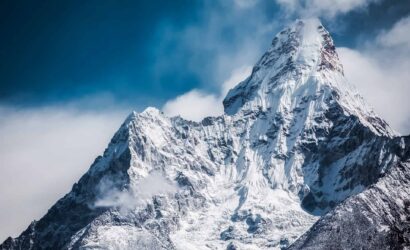
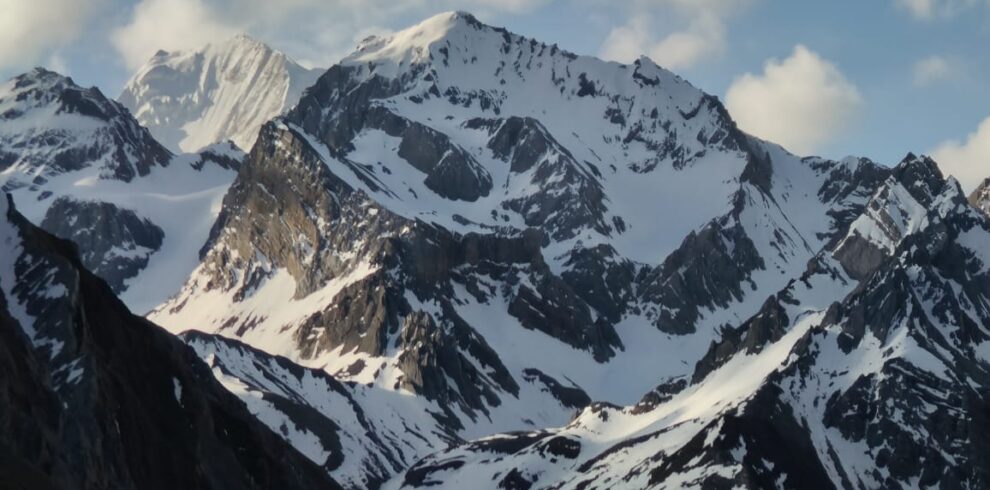
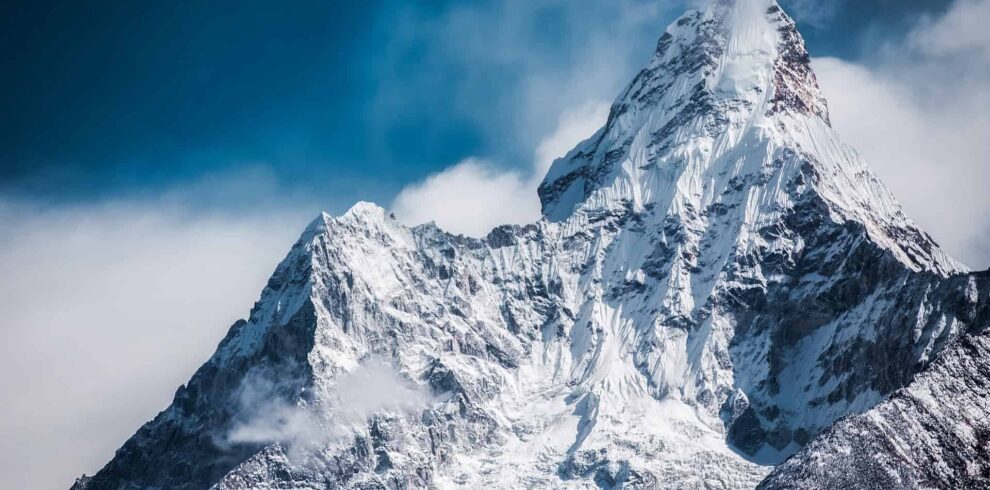
The trail passes through Langtang National Park, home to rich biodiversity, traditional Tamang culture, and stunning mountain scenery. Trekkers enjoy close-up views of Langtang Lirung, Dorje Lakpa, Gangchempo, Yala Peak, and several snow-covered Himalayan peaks rising above the valley. The journey usually begins from Syabrubesi, which can be reached after a scenic drive from Kathmandu. Popular stops along the route include Lama Hotel, Langtang Village, and Kyanjin Gompa, a famous Buddhist monastery surrounded by glaciers and towering mountains.
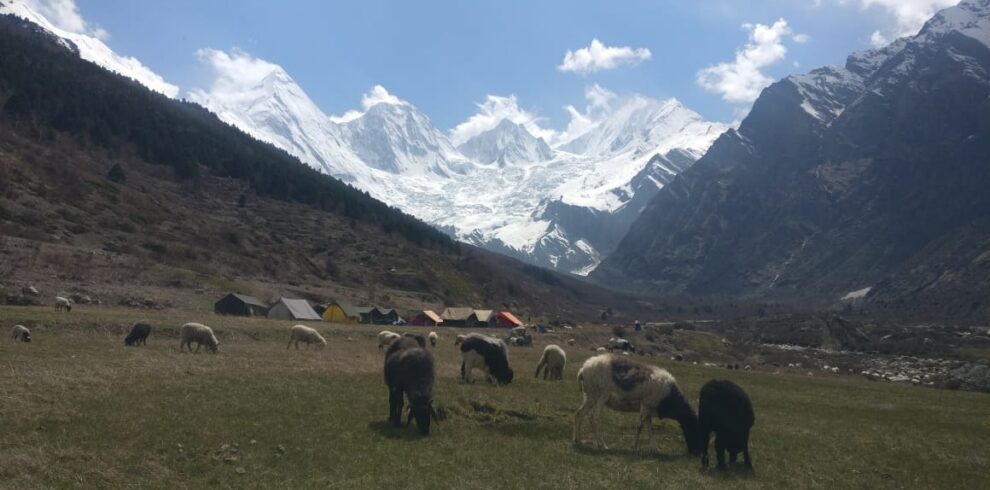
The trek reaches high-altitude Himalayan terrain with peaceful trails, yak pastures, waterfalls, and panoramic mountain views near the Tibetan plateau. Langtang Trek is well known for its natural beauty, cultural experiences, and accessible trekking routes, attracting trekkers, photographers, and nature lovers from around the world.
Travel is the movement of people between relatively distant geographical locations, and can involve travel by foot, bicycle, automobile, train, boat, bus, airplane, or other means, with or without luggage, and can be one way or round trip. Travel can also include relatively short stays between successive movements.
The origin of the word "travel" is most likely lost to history. The term "travel" may originate from the Old French word travail, which means ‘work’. According to the Merriam Webster dictionary, the first known use of the word travel was in the 14th century.
It also states that the word comes from Middle English travailen, travelen (which means to torment, labor, strive, journey) and earlier from Old French travailler (which means to work strenuously, toil). In English we still occasionally use the words "travail", which means struggle. According to Simon Winchester in his book The Best Travelers’ Tales (2004), the words "travel" and "travail" both share an even more ancient root: a Roman instrument of torture called the tripalium (in Latin it means "three stakes", as in to impale).